
The world of online gambling has undergone a dramatic shift over the past several years. Players who once waited days for bank withdrawals now expect their winnings in minutes. Those who previously submitted stacks of personal documents now prefer signing up with just an email address. This is the reality of the modern bitcoin casino—a faster, more private alternative to traditional online casinos that has captured the attention of millions of players worldwide.
This guide breaks down everything you need to know about crypto gambling in 2026, from understanding how these platforms work to evaluating their safety and choosing the right crypto casino for your needs.
Quick Answer: What Is a Bitcoin Casino in 2026?
A bitcoin casino is an online gambling site where deposits, bets, and withdrawals are handled in Bitcoin and other cryptocurrencies rather than traditional fiat currencies like USD or EUR. These platforms use blockchain technology to process crypto transactions, enabling near-instant payouts that bypass conventional banking systems entirely.
Bitcoin casinos surged in popularity between 2020–2026 due to three core advantages: faster withdrawals (often minutes instead of days), fewer banking hurdles (no declined card transactions or frozen accounts), and improved privacy compared with traditional card or bank-based casinos. The crypto gambling market has expanded rapidly as both operators and players recognized these benefits.
Many bitcoin casinos are licensed in offshore jurisdictions such as Curaçao, Anjouan, or Isle of Man and operate globally. However, players must always check their own country’s laws before joining any gambling site—regulations vary dramatically by region and can change quickly.
Key benefits that drive players toward btc casinos include:
- Near-instant payouts processed within minutes to hours
- Crypto-specific bonuses often larger than traditional offers
- Access to provably fair games with verifiable outcomes
- Minimal personal data requirements at signup
This article does not recommend specific brands. Instead, it explains how bitcoin casinos work, how to evaluate them critically, and what risks to consider before depositing your first satoshi.

What Is a Bitcoin Casino?
A bitcoin casino is an online casino that accepts Bitcoin as a primary banking method, often alongside other cryptocurrencies like Ethereum, Litecoin, and stablecoins such as USDT. These platforms emerged as alternatives to traditional online casinos, leveraging blockchain technology to offer decentralized, transparent payment processing.
The first wave of crypto casino sites appeared around 2012–2013, shortly after Bitcoin gained early traction. Growth accelerated significantly following Bitcoin’s major bull runs in 2017 and 2020–2021, when mainstream awareness of cryptocurrency skyrocketed and more players sought ways to use their digital assets for entertainment.
The terms “crypto casino” and “bitcoin casino” are often used interchangeably, though some platforms are BTC-only while others support multi-coin play across dozens of digital tokens. Player balances are typically tracked on internal casino ledgers rather than on-chain, with bets placed in credits or denominations like mBTC (millibitcoin) or μBTC (microbitcoin).
Core characteristics of online crypto casinos include:
- Crypto deposits via unique wallet addresses or QR codes
- Blockchain-based payment processing without bank intermediaries
- Global reach unrestricted by traditional payment networks
- Digital-only operations with minimal physical infrastructure
- Support for multiple cryptocurrencies beyond just Bitcoin
- Provably fair systems for verifying game outcomes
How Bitcoin Casinos Differ From Traditional Online Casinos
The fundamental distinction between bitcoin casino sites and traditional online casinos lies in payment rails and privacy—not necessarily game types. Both offer slots, blackjack, roulette, and live dealers, but how you fund your account and withdraw winnings differs dramatically.
| Feature | Bitcoin Casinos | Traditional Online Casinos |
|---|---|---|
| Withdrawal Speed | Minutes to hours | 3-7 business days |
| Signup Requirements | Often email + password only | Full KYC upfront |
| Transaction Fees | Network fees (variable) | Bank/processor fees |
| Payment Reversals | Impossible (blockchain) | Chargebacks possible |
| Privacy Level | Higher (pseudonymous) | Lower (full identity required) |
Transaction speed represents perhaps the starkest contrast. Crypto withdrawals are often processed within minutes to a few hours, versus several days with bank wires or card cashouts at traditional payment methods. This difference alone drives many players toward crypto gambling sites.
Privacy differs significantly as well. Many bitcoin casinos ask for minimal details at sign-up—typically just an email and password—while traditional sites demand full personal information, copies of ID documents, and proof of address before you can even place your first bet.
Fee structures also diverge. Blockchain network fees fluctuate with network congestion, while banks and payment processors charge fixed percentages. During periods of low Bitcoin network activity, crypto deposits and crypto withdrawals can be remarkably cheap.
Both types can be licensed and regulated, though oversight frameworks differ by jurisdiction. Game libraries overlap heavily—you’ll find the same pragmatic play slots and classic casino games at both—but bitcoin casinos often add crypto-native titles like dice, crash games, and Plinko that feature provably fair verification.
Established vs. New Bitcoin Casinos
Players often face a choice between older, established brands with proven track records and new crypto casinos launched between 2023–2026 offering aggressive promotions.
Established casino sites offer:
- Years of documented payout history
- Stable infrastructure tested under high traffic
- Clear, refined terms and conditions
- Extensive player feedback on forums and crypto casino reviews
- Proven customer support systems
- No deposit crypto bonuses
New crypto casinos offer:
- Larger welcome packages and generous bonuses
- Modern UI with mobile-first design
- Early adoption of newer blockchains and Layer-2 networks
- Fresh game selections and innovative features
- Potentially faster payouts on cutting-edge payment rails
The trade-offs are real. New sites may have untested customer support or unclear long-term policies, while older platforms may impose tighter bonuses or offer less promotional value to new players. Some of the best crypto casinos have been operating for years, building reputations through consistent performance rather than marketing hype.
Treat any casino launched in the last 12–24 months with extra due diligence. Verify licensing, understand withdrawal limits, scrutinize bonus conditions, and test with small deposits before committing significant funds.
How Bitcoin Casinos Work (Technology & Payments)
Bitcoin casinos sit at the intersection of iGaming software and blockchain payment systems. Understanding this technology helps you navigate these platforms safely and recognize warning signs of poorly designed operations.
Most platforms separate the game engine (RNG software, live dealer integration) from the crypto wallet infrastructure for security and compliance reasons. Games run on specialized servers that generate random outcomes, while cryptocurrency handling occurs through dedicated wallet systems with their own security protocols.
The basic flow works like this:
Personal Wallet → Casino Deposit Address → Internal Casino Balance → Games → Casino Balance → Withdrawal to Personal Wallet
Behind the scenes, casinos typically use hot and cold wallet setups. Hot wallets hold smaller amounts for day-to-day payouts, while cold storage (offline wallets) secures the majority of funds. Internal ledgers track player balances, and third-party APIs often manage deposits, optional conversions, and payout processing.

Deposits & Withdrawals at Bitcoin Casinos
The deposit flow at most cryptocurrency casinos follows a consistent pattern:
- Navigate to the cashier and select your preferred coin
- Generate a unique BTC address or scan a QR code
- Send funds from your external crypto wallet
- Wait for network confirmations (typically 1–3 for BTC)
- See credited balance appear in your casino account
Realistic time frames for 2025–2026: BTC deposits typically credit within 10–40 minutes depending on network congestion and the fee level you set. Some casinos credit after just one confirmation, while others wait for three or more for added security. Litecoin and other faster networks often confirm in under ten minutes.
Withdrawals usually require manual or semi-automated review, creating processing windows that range from instant to 24 hours for most reputable crypto casinos. Many crypto casinos offer instant payouts for smaller amounts while holding larger requests for additional verification.
Common withdrawal considerations:
- Daily, weekly, or monthly caps (often equivalent to a few thousand USD at non-VIP levels)
- Minimum withdrawal amounts that vary by cryptocurrency
- Fast payouts for verified accounts with established history
- Potential delays for first withdrawals or unusually large wins
Double-check addresses before confirming any withdrawal. Blockchain transactions are irreversible—sending BTC to a wrong or incompatible address permanently destroys those funds. Copy-paste carefully, verify the first and last several characters, and never rush this step.
Some casinos offer internal conversion, allowing you to swap BTC to stablecoins within your account. This lets casino players limit volatility risks while gambling, locking in value without moving funds off-platform.
Security & Wallet Infrastructure
Serious bitcoin casinos keep the majority of player funds in cold storage—offline wallets physically disconnected from the internet. Only operational funds needed for daily payouts sit in hot wallets, limiting exposure if a security breach occurs.
Standard security measures at trusted crypto casinos include:
- SSL encryption for all data transmission
- Secure key management with hardware security modules
- Multi-signature wallets requiring multiple approvals for large transfers
- IP monitoring and anomaly detection
- Two-factor authentication (2FA) for player accounts
- DDoS protection and server redundancy
Enable 2FA from day one using a TOTP app like Google Authenticator or a hardware security key. Avoid storing large balances in casino accounts longer than necessary—withdraw winnings regularly to your personal crypto wallet where you control the private keys.
Responsible operators publish at least basic information about their security practices and data protection policies. They won’t disclose private key details (nor should they), but transparency about general practices signals professionalism.
Server redundancy, regular software updates, and proactive communication about maintenance windows indicate operational maturity. These elements matter especially during high-traffic events and crypto market spikes when demand surges.
Pros & Cons of Using Bitcoin Casinos
Bitcoin casinos can be attractive for privacy-conscious players seeking fast transactions, but they’re not risk-free or suitable for everyone. Beyond pure gambling risk, you must consider crypto volatility, regulatory uncertainty, and operator integrity.
Weighing these factors against your personal risk tolerance, technical comfort with the crypto world, and local legal framework helps determine whether crypto gambling aligns with your situation.
Main Advantages
Faster Cashouts Many bitcoin casinos routinely process withdrawals within minutes to a few hours. Traditional online gambling sites often require 3–7 business days for the same transaction. For players who value instant crypto access to their winnings, this speed difference is transformative.
Global Access Cryptocurrencies allow players from many regions to transact without relying on local card processors or domestic banks. Where traditional payment methods fail due to banking restrictions, crypto often works seamlessly.
Privacy Some sites require only minimal personal data, appealing to users who prefer keeping online gambling transactions off bank statements. Anonymous crypto casinos exist along a spectrum—some require almost no information while others implement progressive KYC based on volume.
Provably Fair Games Bitcoin casinos popularized cryptographic fairness checks for dice, crash, and similar games. Provably fair crypto casinos give players the ability to verify outcomes independently, rebuilding trust that traditional casino scandals may have eroded.
Lower Payment Friction Crypto deposits bypass intermediary banks and card networks, reducing the likelihood of declined payments or arbitrary account blocks. Players no longer need to explain gambling transactions to their banks or deal with frozen accounts.
Main Drawbacks
Regulatory Gray Areas Crypto gambling rules vary widely across jurisdictions. In some countries it’s tolerated, in others strictly forbidden, and enforcement may change quickly. This uncertainty creates risk for both operators and players.
Irreversible Transactions Mistaken transfers cannot be charged back. Sending coins to a wrong address, an incompatible network, or a scam site generally means permanent loss. Unlike credit cards, blockchain offers no consumer protection mechanisms.
Crypto Volatility A 20–30% BTC price swing over a few weeks can drastically change the real-world value of your bankroll or winnings. You might win 0.1 BTC when it’s worth $5,000, then watch it drop to $3,500 before you spend it. Many players mitigate this using stablecoins.
Operator Risk Unlicensed or poorly managed casinos can delay or deny withdrawals, change terms abruptly, or disappear entirely—especially during bull markets when attention and funds flow into the space. Due diligence is essential.
Limited Consumer Protections Unlike traditional bank deposits, BTC balances at casinos are not covered by government insurance schemes or standard chargeback processes. If a casino fails or refuses to pay, recovery options are extremely limited.
Popular Cryptocurrencies Used in Bitcoin Casinos
Although Bitcoin remains the flagship currency for crypto gambling, many casinos now accept a basket of major coins and tokens. Each asset has distinct characteristics affecting fees, confirmation times, and volatility. Players often choose different coins for deposits versus long-term storage based on these factors.
The exact list of supported cryptocurrencies changes over time as networks evolve and operator policies shift. Here’s what you’ll commonly encounter at top crypto casinos in 2026.
Bitcoin (BTC)
Bitcoin remains the most widely accepted coin in crypto gambling—it’s the original and still the most recognized cryptocurrency across the industry. Its strong liquidity means you can easily buy crypto, deposit, and convert winnings back to fiat when needed.
Launched in 2009 by the pseudonymous Satoshi Nakamoto, BTC serves as the default unit in many casino promotions and VIP rewards programs. When casinos advertise bonuses in crypto, they typically express values in BTC equivalents.
However, on-chain BTC transactions can be slower and more expensive during network congestion, especially in peak bull-market periods. Transaction fees fluctuate based on demand, ranging from under $1 during quiet periods to $20+ during extreme congestion.
Pay attention to recommended fee levels when depositing. Extremely low fees may cause multi-hour confirmation delays, leaving your funds in limbo while you wait to play. Most wallets suggest appropriate fees based on current network conditions.
Ethereum (ETH)
Ethereum is the second-largest cryptocurrency by market cap and popular in casinos that interface with Web3, NFTs, and smart-contract-based games. Its ecosystem supports extensive DeFi integrations and innovative casino features.
After major upgrades including the shift to Proof of Stake, average confirmation times and fees have become more predictable. Transactions typically confirm within minutes, making ETH practical for gambling deposits.
Many ERC-20 tokens rely on the Ethereum network, and some casinos let users deposit certain stablecoins via ETH as well. This flexibility makes ETH accounts versatile for players using multiple digital tokens.
Caution: gas fees can still spike during periods of intense DeFi or NFT activity, making cheap, small withdrawals impractical during congestion. Monitor gas prices before initiating transactions.
Litecoin (LTC) & Other Speed-Focused Altcoins
Litecoin, launched in 2011, is widely used in gambling due to faster block times (2.5 minutes versus Bitcoin’s 10 minutes) and typically lower fees than BTC. It’s often described as “silver to Bitcoin’s gold.”
LTC and similar high-throughput chains are commonly chosen for frequent, smaller transactions. If you prefer micro-deposits or quick cashouts, faster coins reduce waiting time significantly.
Many crypto casinos encourage these coins by setting lower minimum deposits and withdrawals compared with BTC. A casino might require a $20 minimum for BTC withdrawals but only $10 for LTC.
Always confirm the network type before sending. Some platforms support wrapped tokens or multiple chains, and sending coins on the wrong network can result in permanent loss. Bitcoin cash and other Bitcoin forks require similar attention to network selection.
Stablecoins (e.g., USDT, USDC)
Stablecoins are cryptocurrencies pegged to a reference asset, usually 1:1 to the U.S. dollar. They help players avoid large swings in bankroll value—if you deposit 1,000 USDT, it remains worth approximately $1,000 regardless of Bitcoin’s price movements.
Many casinos support popular stablecoins on different networks. USDT on TRON offers low fees and fast confirmations, while USDC on Ethereum provides strong regulatory backing. The best bitcoin casino platforms typically support stablecoins on multiple networks for player convenience.
Stablecoins excel for budgeting. You can track wins and losses directly in near-USD terms rather than constantly converting from BTC prices. This clarity helps with responsible gambling and accurate record-keeping.
However, stablecoins carry distinct risks: issuer risk (what backs the token), regulatory risk (government actions against issuers), and smart-contract risk (bugs in the token’s code). These differ from network-native coins like BTC and LTC that have no central issuer.
Game Types at Bitcoin Casinos
Bitcoin casinos offer both traditional casino titles and crypto-native games designed around blockchain and provably fair concepts. The game variety at modern platforms rivals or exceeds traditional online gambling sites, with thousands of titles available at larger operations.
Many platforms license games from well-known software providers while adding proprietary or in-house “originals” that leverage blockchain verification. Game selection and RTP (Return to Player) percentages vary widely, so review information on individual titles where available.
Slots, Table Games & Live Dealers
Online Slots Video slots dominate most casino lobbies, featuring intricate themes, bonus rounds, and varying volatility levels. You’ll find classic casino games with 3-reel simplicity alongside modern slot games with cascading reels, megaways mechanics, and progressive jackpots. Popular providers like pragmatic play supply many of these titles.
Table Games Core offerings include:
- Blackjack (multiple variants with different rule sets)
- Roulette (European, American, and French versions)
- Baccarat (punto banco and other formats)
- Casino poker variants (Caribbean Stud, Three Card Poker, Texas Hold’em bonus)
- Craps and specialty games
Live Dealer Games Live casino games stream real croupiers from professional studios. Bets are placed digitally through the interface while results occur in real-time on camera. These games bridge the gap between online convenience and authentic casino atmosphere.
Table limits in live dealer rooms accommodate everyone from micro-stakes players wagering a few dollars to high rollers betting thousands per hand. Limits are typically shown clearly in the lobby before joining.
Check RTP and specific rule sets before choosing tables. Blackjack rules on dealer hits/stands, doubling options, and split restrictions affect the house edge significantly. A 0.5% edge difference compounds quickly over extended play.

Crypto-Native & Provably Fair Games
Provably fair games represent bitcoin casinos’ unique contribution to online gambling. Each result can be independently verified by the player using cryptographic hashes and seed values, eliminating the need to trust casino claims about game fairness.
Popular crypto casino games with provably fair verification include:
- Dice games: Simple high/low predictions with adjustable odds
- Crash games: Multipliers that grow until a random crash point
- Plinko: Ball-drop games with variable payouts
- Mines: Grid-based risk games where players avoid hidden bombs
- Coin flip: 50/50 binary outcomes
- Wheel games: Spin-to-win with visible probability segments
These games typically feature transparent house edges published in advance, sometimes as low as 1%–2% for certain configurations. This transparency exceeds what traditional slots provide, where exact mechanics often remain opaque.
Verification works through a straightforward process: the casino commits to a server seed (hidden initially), players can input their own client seed, and after each round, both seeds combine to generate the result. Post-game, players can verify the math using the revealed server seed.
Most provably fair crypto casinos provide dedicated verification pages or in-game panels. Learning basic verification steps takes only a few minutes and provides confidence in game fairness that no audit certificate can match.
How to Choose a Safe Bitcoin Casino
Due diligence matters more than the sheer size of a welcome bonus. Licensing, security, and transparent terms separate legit bitcoin casino operations from risky ventures that might freeze your funds or disappear entirely.
Many new sites appear each year, each claiming to be among the best bitcoin casino options available. Apply a structured checklist before depositing any funds—it takes extra time upfront but prevents costly mistakes.
Favor platforms with clear ownership information, stable operating history measured in years, and visible support channels. The flashiest marketing often masks the weakest foundations.
Licensing, Ownership & Legal Standing
Look for a clearly stated gaming license from a recognized jurisdiction. Common regulators for crypto casinos include:
- Curaçao eGaming
- Isle of Man Gambling Supervision Commission
- Anjouan (Comoros)
- Kahnawake Gaming Commission
The license number, company name, and registered address should appear in the site footer or legal section. Cross-check this information on the regulator’s official website—legitimate licenses can be verified independently.
Exercise caution if:
- Licensing details are missing or vague
- Information cannot be verified on regulator websites
- Multiple conflicting company names appear across pages
- The site claims licensing without providing verifiable numbers
Having a license doesn’t guarantee perfect behavior, but it raises the bar compared to fully unregulated operators. Licensed casinos face at least some oversight and risk losing their authorization for egregious misconduct.
Verify whether gambling with offshore crypto operators is permitted in your jurisdiction before signing up. Many bitcoin casinos geo-block restricted countries, but players remain responsible for understanding local laws.
Banking Speed, Limits & Terms
Check minimum and maximum deposit and withdrawal amounts for each supported cryptocurrency before creating an account. These limits vary significantly—some platforms allow tiny micro-deposits while others require substantial minimums.
Look for transparent information about:
- Typical payout times (“processed within 0–24 hours”)
- Extra delays for large wins or VIP reviews
- Cumulative limits per day, week, and month
- Any fees charged by the casino for withdrawals
- Special conditions for progressive jackpot or lottery games wins
Some casinos only reveal strict limits or extra checks after a big win. Favor sites that publish these rules upfront in easily accessible terms and conditions.
Test the system with a small withdrawal early in your relationship with any new casino. Verify that speed and reliability match advertised claims before committing larger bankrolls. This simple step reveals more about actual crypto casinos perform than any marketing material.
Game Fairness & Software Providers
Check whether the casino partners with recognized game studios. Established providers stake their reputations on fair games and undergo regular testing. Unknown, unbranded games with no information about RTP, volatility, or provider deserve skepticism.
For provably fair games, verification tools should be easy to use and clearly documented. If a site advertises provably fair bitcoin casino games but provides no actual verification mechanism, treat this as a red flag.
Some regulators require regular game audits and publish certification seals. Genuine seals should link to the auditor’s verification page—not just display a static image. Click through and confirm the certification is current and actually applies to the casino you’re evaluating.
Third-party RNG testing by labs like eCOGRA, iTech Labs, or GLI provides additional assurance for casino games, though many crypto-focused platforms rely on provably fair mechanisms rather than traditional auditing.
Reputation, Support & Ongoing Performance
Research external sources before depositing:
- Long-running forum threads on gambling communities
- Social media feedback focusing on payout reliability
- Crypto casino reviews from established reviewers
- Dispute handling documentation and responses
Test customer support before depositing. Send questions via live chat or email and evaluate response time, clarity, and knowledge of crypto-specific issues like transaction IDs and network confirmations. Poor pre-signup support rarely improves after you deposit.
Warning signs to watch for:
- Consistent reports of frozen accounts
- Unexplained KYC requests at withdrawal time
- Systematically declined large cashouts
- Terms changes that retroactively affect players
- Defensive or absent communication during issues
Stable casinos communicate proactively about maintenance windows, network congestion, and temporary withdrawal delays. They honor large wins and maintain transparent dialogue even when problems arise.
Prioritize platforms with documented history of reliability over those heavily relying on aggressive, bonus-heavy marketing. The right crypto casino earns trust through consistent performance, not promotional noise.
Bonuses & Promotions at Bitcoin Casinos
Between 2023–2026, bitcoin casinos have used increasingly large welcome packs, reload bonuses, and cashback deals to compete for players. Headlines trumpet multi-BTC bonuses and thousands in free play—but the details matter more than the numbers.
High headline figures often come with wagering requirements, game restrictions, and maximum cashout rules that dramatically reduce actual value. Careful reading of bonus terms and conditions is essential before opting in. In many cases, playing without a bonus can actually be safer for frequent withdrawers who don’t want to deal with complex restrictions.
Common Bonus Types
Matched Deposit Bonuses The most common promotion: deposit a certain amount, receive bonus funds as a percentage match. A 100% match on a 0.01 BTC deposit gives you 0.02 BTC total to play with. However, bonus funds typically require 30x–45x wagering before withdrawal.
Free Spins Usually tied to specific slot games with fixed spin values (e.g., 50 free spins worth $0.20 each). Winnings from free spins often have separate wagering requirements and maximum win caps.
Cashback & Rakeback Percentage-based returns on net losses or total wagered amounts over defined periods. Cashback deals sometimes carry lower or no wagering requirements, making them more valuable for regular players.
Loyalty & VIP Programs Tiered systems where higher levels unlock better cashback, reduced wagering, faster withdrawals, and personal account managers. VIP rewards can significantly improve long-term value for consistent players.
No-Deposit or Free-Play Offers Relatively rare due to abuse risk. These offers typically feature heavy restrictions including maximum win caps, strict KYC crypto casinos requirements, and high wagering multipliers. Don’t expect meaningful value from these promotions.
Key Bonus Terms to Understand
Wagering Requirements The number of times you must bet bonus funds (or deposit+bonus) before withdrawing. Example: A $100 bonus with 35x wagering requires $3,500 in total bets before you can cash out any winnings derived from that bonus.
Game Contribution Rates Not all games count equally toward wagering. Typical structure:
- Slots: 100% contribution
- Blackjack: 10–20% contribution
- Roulette: 10–20% contribution
- Live dealer games: 0–10% contribution
Maximum Bet Limits Casinos often cap individual bet sizes while a bonus is active (commonly $5–$10 per spin or hand). Exceeding limits can void the bonus and confiscate winnings.
Time Limits & Expiry Bonuses must typically be used and wagered within 7–30 days. Free spins often expire even faster. Missing deadlines forfeits remaining bonus funds and associated winnings.
Country or Coin Restrictions Certain promotions exclude specific jurisdictions or cryptocurrencies. An ETH player might not qualify for a BTC-specific initial deposit bonus. Check eligibility before assuming you qualify.
Security, KYC & Anonymity at Bitcoin Casinos
Bitcoin casinos exist along a spectrum of identity requirements, from strict KYC crypto casinos that verify everyone upfront to relatively anonymous crypto casinos requiring minimal personal data.
Security and privacy are different concepts. A site can be very secure—with robust encryption, cold storage, and proper key management—while still requiring full identity verification due to regulatory obligations. Conversely, a no-KYC site might have weaker security practices despite offering more privacy.
Attempting to bypass geo-blocks or KYC obligations may violate terms of service and lead to closed accounts or confiscated balances. Understand the rules before you play.
When KYC Is Required
Many licensed casinos implement KYC at certain thresholds:
- Cumulative deposits exceeding specific amounts
- Withdrawals above defined limits
- Risk-based triggers from internal monitoring
- Large wins requiring source-of-funds verification
Typical documents requested include:
- Government-issued ID (passport, driver’s license)
- Proof of address (utility bill, bank statement dated within 3 months)
- Source-of-funds explanation for very large transactions
- Selfie verification matching the ID photo
KYC timelines range from under an hour to several days depending on casino workload and complexity. Large or unusual transactions typically require additional review. Verification successful waiting times vary significantly between operators.
Upload high-quality scans with all corners visible and ensure details match your account data exactly. Mismatched names or blurry documents cause repeated rejections and delays.
Anonymity, No-KYC Models & Trade-Offs
Some crypto-only casinos allow signup and play with minimal data, relying on blockchain analysis and internal risk tools instead of document verification for smaller volumes. These platforms appeal to privacy-focused players.
Trade-offs exist:
- Faster onboarding and withdrawals for small amounts
- Stricter region blocks or caps on lifetime withdrawals without verification
- Potential for rules to change with little notice
- Less regulatory protection if disputes arise
No-KYC status isn’t permanent. Casinos may introduce or tighten verification requirements in response to regulator demands, banking partner requirements, or risk management changes. The anonymous crypto casinos of today might require full KYC tomorrow.
Players valuing privacy should:
- Keep stakes modest relative to verification thresholds
- Withdraw regularly rather than accumulating large balances
- Maintain personal records of all transactions
- Understand tax reporting obligations in their jurisdiction
Step-by-Step: Getting Started at a Bitcoin Casino
This walkthrough takes you from zero to first withdrawal, assuming you already own some crypto or are willing to buy crypto through an exchange. Exact signup screens differ by site, but the process follows a recognizable pattern across modern bitcoin casinos.
Start with small amounts until you’re comfortable with wallets, confirmations, and the platform’s withdrawal behavior. Treat your first deposit as a learning experience rather than a serious gambling session.
From Wallet Setup to First Bet
Step 1: Acquire Cryptocurrency Buy BTC or another supported coin from a reputable exchange. Transfer purchased crypto to a self-controlled wallet—either a hardware wallet for larger amounts or a non-custodial software wallet for convenience. Avoid leaving significant funds on exchanges.
Step 2: Choose a Casino Filter candidates by license, reputation, supported coins, and transparent terms. Check crypto casino reviews from multiple sources. Eliminate options with unclear licensing or consistent negative feedback about withdrawals.
Step 3: Create an Account Complete the typical registration form: email, password, optional promo code. Verify your email and set up 2FA immediately. Many crypto casinos perform minimal verification at this stage for initial access.
Step 4: Make a Deposit Navigate to the cashier and generate a deposit address for your preferred coin. Double-check the address matches what you’re sending—BTC addresses for BTC, ETH addresses for ETH. Send funds from your wallet and wait for confirmations. Never reuse addresses if the casino advises against it.
Step 5: Claim or Skip Bonuses Evaluate whether to accept a welcome bonus or play in “cash-only” mode. If wagering requirements seem manageable and you plan to play extensively, the bonus might add value. If you prefer easy withdrawals, skipping the bonus often makes more sense.
Step 6: Play & Track Choose games with known RTP and set budget limits before starting. Use built-in session tools like loss caps and reality checks where available. Many bitcoin casinos let you review your betting history for self-assessment.
Step 7: Withdraw Winnings Enter a withdrawal amount, paste your correct wallet address, and confirm the request. Save the transaction ID (TXID) for tracking on a blockchain explorer. Monitor confirmations and verify funds arrive in your personal wallet.
Mobile Bitcoin Casinos & Apps
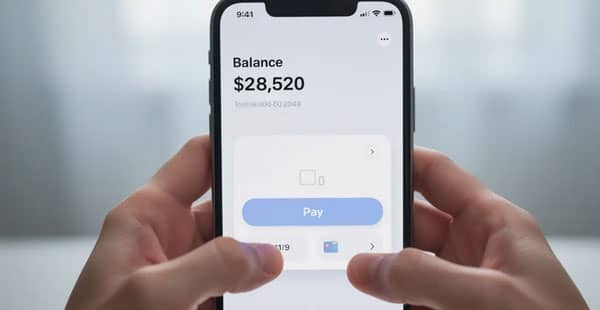
By mid-2020s, most crypto gambling sessions occur on smartphones and tablets rather than desktop PCs. Players expect full functionality in their pockets, and reputable crypto casinos deliver exactly that.
Many bitcoin casinos rely on responsive web design and HTML5 rather than native app stores. Platform policies and regulatory considerations make app store distribution challenging for gambling sites, so browser-based mobile experiences dominate.
Well-designed mobile sites offer full access to registration, KYC upload, crypto deposits, gameplay, and withdrawals without forcing users to switch to desktop. If a casino requires desktop for critical functions, consider it a red flag about overall platform quality.
What to Expect on Mobile
Ideal mobile UX features include:
- Fast loading times even on cellular connections
- Intuitive menus with logical navigation
- Easy switching between lobby, games, and cashier
- Vertical-friendly layouts for slots and live dealer streams
- Touch-optimized buttons appropriately sized for thumbs
Technical considerations for mobile devices:
- Adaptive image compression for data efficiency
- Support for both portrait and landscape modes
- Responsive tables and game interfaces
- PWA (Progressive Web App) options at some casinos
Mobile wallets streamline crypto deposits through browser integrations and QR-code scanning. Instead of manually copying long addresses, you can often scan directly from your wallet app—reducing error risk and speeding up the process.
Security on mobile matters: avoid public Wi-Fi when logging in or transacting. Enable device-level security (PIN, biometrics, screen lock) as additional protection. Your phone is essentially your casino access point—protect it accordingly.
Responsible Gambling & Bankroll Management With Crypto
Gambling should always be treated as entertainment, funded with money you can afford to lose. This applies regardless of Bitcoin’s price trajectory or potential appreciation. Hoping that crypto gains will cover gambling losses is a recipe for compounded problems.
The combination of fast payouts, 24/7 access, and volatile assets can amplify both emotional swings and financial risk. When you can deposit instantly at 3 AM and play until dawn, traditional friction that might prompt second thoughts disappears.
Set personal rules and stick to them. Casino tools help, but external limits and honest self-assessment matter more.
Practical Crypto-Specific Tips
Budget in stable currency first. Set a gambling budget in USD, EUR, or another stable reference. Convert that amount to BTC or stablecoins at session start. This prevents chasing price movements or rationalizing extra deposits because “Bitcoin is up.”
Separate your funds. Use different wallets for gambling and long-term holdings. Speculative play should never jeopardize savings or investment portfolios. If your gambling wallet empties, stop—don’t transfer from savings.
Use casino tools. Reputable casinos offer responsible gambling features:
- Deposit caps (daily, weekly, monthly)
- Loss limits
- Cooling-off periods
- Self-exclusion options
Activate these proactively, before problems develop.
Know the warning signs. Chasing losses, hiding gambling from family, borrowing to gamble, and neglecting responsibilities all indicate problems. Many jurisdictions and independent organizations offer confidential help lines and counseling services. Seek help early if gambling stops being fun.
Keep records for taxes. Many countries treat crypto gambling winnings as taxable events. Maintain records of deposits and withdrawals, exchange conversions, and net results. This documentation protects you during potential audits and simplifies reporting.

Conclusion: Is a Bitcoin Casino Right for You?
Bitcoin casinos in 2026 offer compelling advantages: crypto speed that delivers winnings in minutes, privacy that keeps gambling off bank statements, and innovative provably fair games that let you verify fairness yourself. The best crypto casinos combine these benefits with solid licensing, transparent terms, and reliable customer support.
But these platforms also carry distinct risks. Regulatory uncertainty means rules can change quickly. Irreversible transactions offer no safety net for mistakes. Crypto volatility can erode wins before you spend them. Unlicensed operators may disappear with player funds.
Players should prioritize licensed operators, clear terms, and strong security measures over flashy bonuses or aggressive marketing claims. The largest deposit bonus means nothing if the casino won’t process your withdrawal.
If you decide to try crypto gambling:
- Start small and test withdrawals early
- Verify licensing independently
- Enable 2FA and protect your wallet
- Set firm budgets and stick to them
- Keep records of all transactions
Always check local gambling laws before joining any online gambling sites. Regulations vary dramatically by jurisdiction, and players bear responsibility for compliance.
Treat bitcoin casinos as entertainment, not income. Set limits you can afford, verify outcomes when possible, and know when to step away. The technology enables faster, more private gambling—but responsible gambling remains entirely your choice.
Frequently Asked Questions (FAQs) About Bitcoin Casinos
What is a bitcoin casino?
A bitcoin casino is an online gambling platform that allows players to deposit, wager, and withdraw using Bitcoin and other cryptocurrencies instead of traditional fiat currencies. These casinos leverage blockchain technology for faster, more private transactions.
How do bitcoin casinos differ from traditional online casinos?
Bitcoin casinos offer near-instant withdrawals, lower fees, and greater privacy by eliminating banks and payment processors. Traditional casinos rely on fiat currencies, often requiring full identity verification and longer withdrawal times.
Are bitcoin casinos safe to use?
Trusted bitcoin casinos hold valid licenses, use robust security measures like SSL encryption and cold wallet storage, and often provide provably fair games. However, players should always verify licensing and reputation before depositing.
What cryptocurrencies can I use at bitcoin casinos?
Most bitcoin casinos accept Bitcoin (BTC), Ethereum (ETH), Litecoin (LTC), and stablecoins like USDT. Some also support a wider range of altcoins depending on the platform.
How fast are deposits and withdrawals at bitcoin casinos?
Deposits generally credit within minutes after blockchain confirmations. Withdrawals can be instant to within 24 hours, depending on the casino’s policies and any required verification.
What are provably fair games?
Provably fair games use cryptographic algorithms to allow players to independently verify that game outcomes are random and not manipulated by the casino, increasing transparency and trust.
Do I need to complete KYC (Know Your Customer) at bitcoin casinos?
KYC requirements vary. Some bitcoin casinos require minimal information or no KYC at all for small deposits and withdrawals, while others implement full verification depending on local regulations or withdrawal amounts.
Can I play bitcoin casino games on mobile devices?
Yes, most bitcoin casinos offer mobile-optimized websites or apps that provide full functionality, including deposits, gameplay, and withdrawals on smartphones and tablets.
Are bitcoin casino bonuses different from traditional casino bonuses?
Bitcoin casinos often offer generous welcome bonuses, reload bonuses, free spins, and cashback promotions tailored for crypto deposits. However, wagering requirements and terms should be reviewed carefully.
Is gambling at bitcoin casinos legal?
Legality depends on your jurisdiction. Players should always check local laws regarding online gambling and cryptocurrency use before playing at bitcoin casinos.
How do I choose the right bitcoin casino?
Look for licensed operators with strong reputations, fast and transparent banking options, provably fair games, responsive customer support, and clear bonus terms. Reading crypto casino reviews can help guide your decision.
What are the risks of using bitcoin casinos?
Risks include crypto price volatility, irreversible transactions, potential regulatory changes, and the possibility of unlicensed or fraudulent operators. Responsible gambling and due diligence are essential.
Can I use bitcoin casinos for sports betting?
Many bitcoin casinos also offer integrated sports betting platforms, allowing players to wager on a variety of sports using cryptocurrencies, combining casino games and sports betting in one place.
How do I get started with a bitcoin casino?
First, acquire cryptocurrency through a reputable exchange, create an account at a trusted bitcoin casino, deposit crypto to your casino wallet, and then start playing your favorite casino games.